Understanding EPDM Rubber Roofing
EPDM rubber roofing is a synthetic rubber membrane that has been used in the roofing industry since the 1960s. It is manufactured from a combination of ethylene and propylene derived from oil and natural gas byproducts. Available in black and white colors, EPDM sheets typically come in thicknesses of 45 mil and 60 mil, with widths ranging from 10 to 50 feet. This flexibility in sizing allows our team to minimize seams during installation, which is critical because seams represent the most vulnerable points in any membrane roof system.
Our installation process for EPDM involves three primary methods depending on your roof’s specific requirements. Fully adhered systems use a bonding adhesive to attach the membrane directly to the roof deck or insulation board. Mechanically fastened systems use plates and fasteners along the seams. Ballasted systems hold the membrane in place using river rock or pavers. Each method has advantages, and during our initial consultation we assess your roof structure, drainage patterns, and local weather conditions to recommend the best approach for homes in Santa Rosa, Larkfield-Wikiup, Windsor, Sebastopol, Graton, & Forestville, CA and surrounding areas.
TPO Membrane Roofing Explained
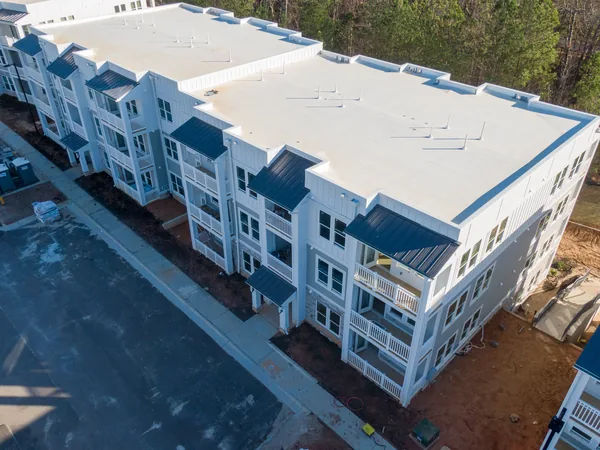
TPO roofing is a newer technology that has captured a significant share of the low-slope roofing market. Industry reports indicate that TPO now accounts for approximately 40 percent of the commercial single-ply roofing market, and its residential adoption continues to climb. TPO membranes are manufactured using a blend of polypropylene and ethylene-propylene rubber, creating a material that is inherently reflective, heat-weldable, and resistant to ultraviolet radiation, ozone, and chemical exposure.
One of the standout features of TPO is the hot-air welded seam process. Using specialized equipment, we heat-weld TPO seams at temperatures between 900 and 1100 degrees Fahrenheit, creating bonds that are actually stronger than the membrane itself. This welding technique virtually eliminates the risk of seam failure that can plague adhesive-based systems over time. Our team has been trained extensively on proper welding techniques, temperature calibration, and quality testing to ensure every seam meets strict performance benchmarks.
Key Benefits of Rubber and TPO Roofing
Both EPDM and TPO offer homeowners a range of compelling advantages that make them superior choices for flat and low-slope applications. Our commitment to fair pricing means we help you access these high-performance materials without breaking the bank.
- Energy efficiency through UV-reflective surfaces that can reduce cooling costs by up to 30 percent
- Longevity with expected service lives of 20 to 30 years when properly installed and maintained
- Lightweight construction that places minimal stress on your home’s structural components
- Flexibility in cold weather that prevents cracking and splitting during freeze-thaw cycles
- Environmentally responsible materials that are fully recyclable at the end of their service life
Our Installation Process and Commitment to Quality
When you choose Martinez Roofing for your rubber or TPO roofing project, you are working with a dedicated team of five employees who prioritize quality and honest communication at every step. We begin with a thorough roof inspection, take precise measurements, and discuss your goals before recommending a specific membrane system. Our very fast turnaround time means your project moves from consultation to completion efficiently, minimizing disruption to your daily routine.
We believe that honesty, quality, and building genuine connections with our clients are the foundation of great roofing work. Every rubber and TPO installation we complete reflects these core values, and we stand behind our craftsmanship with confidence. Contact us today to schedule your consultation and discover why homeowners in Santa Rosa, Larkfield-Wikiup, Windsor, Sebastopol, Graton, & Forestville, CA trust us with their roofing needs.